Short answer: Start with one small project, not a full workshop. You need three things: a basic tool kit (pliers and tweezers), one chain you like, and the beads or charms for that single project. Our DIY range covers five small categories — tools, chains and findings, pendants and charms, beads and pearls, and hair-accessory supplies. Buy for the project in front of you, and let the second project decide the next purchase.
Start With One Project
The most common beginner mistake is buying a little of everything. A drawer of mixed beads and no finished piece helps nobody. Pick one project first — a simple beaded bracelet, a pendant on a chain, or a pair of drop earrings — and buy only what that project needs. You will learn faster, spend less, and finish something you actually wear.
Good first projects: a single-strand bracelet with spacer beads, a pendant on a ready-made chain, or a charm bracelet with five or six charms. All three need the same three things: a chain or cord, the decorative pieces, and the findings that connect them.
Tools First: The Kit That Covers Most Jobs
Two tool purchases cover nearly every beginner project:
- A jewelry making tool kit ($14.99): pliers, tweezers, and a findings set for beginners. Pliers open and close jump rings, flatten crimps, and grip small parts; tweezers place tiny beads and handle glue. If you buy one thing first, buy this.
- A beading tool set ($3.99): a smaller handmade kit with beads, charms, and findings for necklace making. A good second purchase or a low-cost way to try the hobby before committing to the full kit.
You do not need a soldering iron, a tumbler, or a bench vise to start. Those come later, only if you move into metalwork. For stringing, linking, and assembling — which is what most DIY jewelry is — pliers and tweezers are enough.
Chains: Buy by the Roll or the Spool
Chains are sold by length, and the unit matters. A roll or spool is a long continuous length you cut to size; it is far cheaper per centimetre than buying pre-cut chains, and you can make several pieces from one purchase. What we carry:
- Stainless steel ball chain roll ($6.99 for 10 metres): gold and silver-tone, in 1.5–3 mm widths. The workhorse for everyday necklaces and bracelets — strong, simple, and easy to cut.
- Snake chain roll ($13.99 for 10 yards): brass chain with a smooth, fluid look. Dressier than ball chain, good for pendants that should slide and drape.
- Saturn bead chain spool ($34.99 for 2 metres): 14K gold-filled or S925 silver, a 1.5 mm chain with 2 mm round beads. Made for DIY permanent jewelry — bracelets and necklaces welded or linked to fit. The premium option, and the one to choose when the chain itself is the design.
When choosing, match the chain to the pendant: a heavy pendant needs a sturdier chain, and a fine chain suits a light charm. Check the width in millimetres on the listing — 1.5 mm is delicate, 3 mm reads bolder. And buy more length than you think: one necklace plus one bracelet plus a little spare for mistakes.
Beads, Pearls & Rhinestones: The Decorative Core
Beads are where a piece gets its character. The category has three kinds of stock to start with:
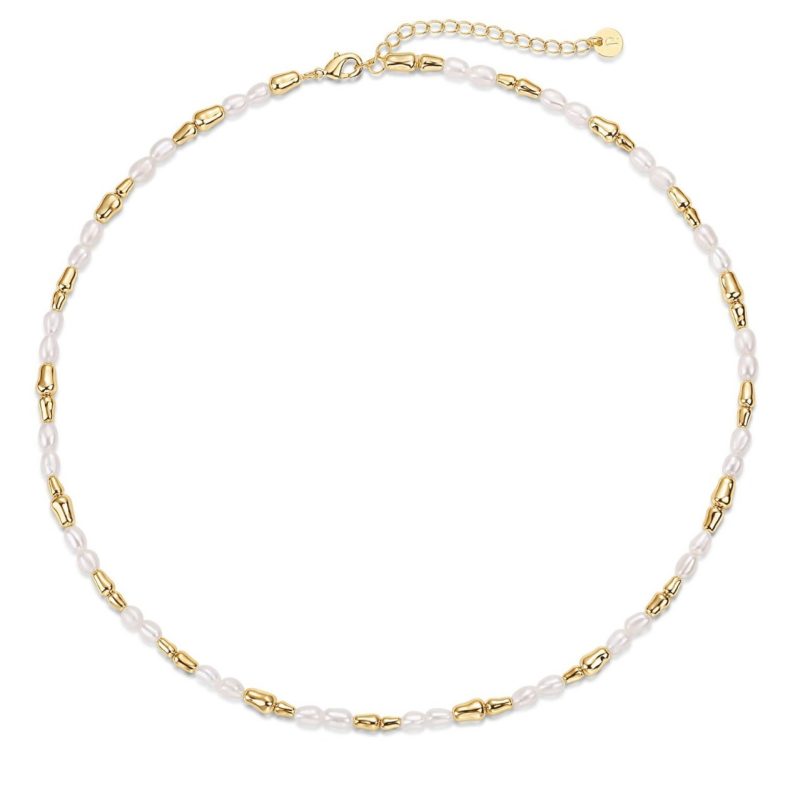
- Glass pearl bead strands ($8.99): 2–14 mm, a three-strand white pearl set. The fastest way to a classic-looking necklace or bracelet — string, knot, done.
- Seed pearls ($6.99): 2 mm mini rice freshwater pearls, loose. For delicate, detailed work: multi-strand pieces, embroidery-style beadwork, and accents between larger beads.
- Glass flatback rhinestones ($6.99): SS6–SS30 mixed colours, for DIY crafts. Flatbacks glue onto surfaces — hair clips, phone cases, costume pieces — rather than stringing.
Sizes are in millimetres and refer to the bead’s diameter. A 2 mm bead is tiny and detailed; 8–14 mm beads are focal pieces. For a first bracelet, 6–8 mm beads are the easiest to handle and the most forgiving to look at.
Pendants & Charms: The Focal Point
A pendant is the piece everything else supports. Two kinds to know:
- Blank round charms ($3.49): pre-drilled stainless steel discs, 10 mm, sold in packs of 20. Blanks are the base for stamping, engraving, resin, or photo inserts — the starting point for personalized pieces.
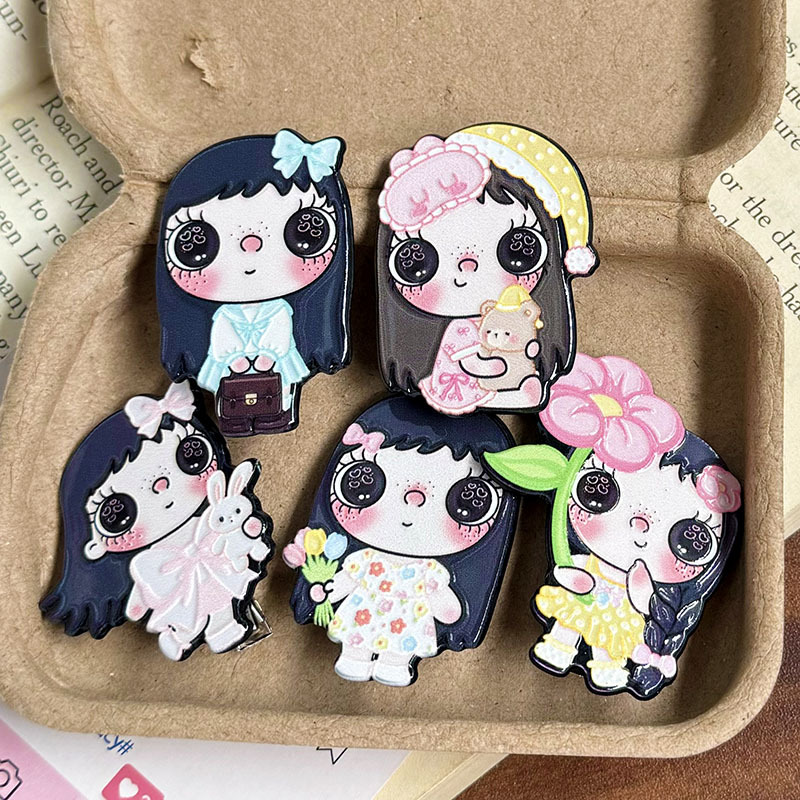
- Enamel charm pendants ($10.99): 20 assorted charms in a mix. The fastest way to build a charm collection without choosing one by one — sort them, pick five you love, and the rest are spares for the next project.
When buying charms, check the hole: a pre-drilled hole that fits your chain or jump ring size saves a step. And check the count — packs of 20 are for making many pieces or for sharing, single charms are for one focal piece.
Hair-Clip DIY: Blanks Are the Starting Point
Hair-clip making starts with the base, not the decoration. French barrette blanks ($5.99) are plain metal clip bases you decorate yourself — with fabric, beads, resin, or rhinestones. Buy the blank in the size you wear, decorate one, wear it, and then decide whether to make more. The decoration techniques are the same ones in our hair-clip tutorials: cutting, wrapping, and fixing materials to the base.
Matching Finishes and Sizes
Two habits that make finished pieces look professional:
- Keep the metal consistent within one piece. Gold-tone chain with gold-tone findings and gold-tone charms; silver-tone with silver-tone. Mixed metals can work, but they need to look deliberate — one accent, not an accident.
- Check sizes in millimetres before ordering. Chain width, bead diameter, jump ring size, and charm hole all need to fit together. A 3 mm chain will not thread through a 2 mm bead hole. The listing states the size — read it, don’t guess from the photo.
Frequently Asked Questions
What tools do I need to start making jewelry?
Pliers and tweezers cover nearly everything at the start. A beginner tool kit with pliers, tweezers, and findings handles opening jump rings, closing crimps, and placing small parts. Add cutters when you start buying chain by the roll.
How much chain should I buy for my first project?
One necklace takes roughly 45–50 cm plus a little spare; one bracelet takes 18–20 cm. A 10-metre roll makes many pieces, which is why rolls are cheaper per piece than pre-cut chains. Buy one roll in the finish you like most and use it for several projects.
What size beads should a beginner use?
6–8 mm beads are the easiest to handle and the most forgiving. Smaller beads (2–4 mm) are for detail work and multi-strand pieces; larger beads (10–14 mm) are focal pieces that need fewer companions.
Can I mix gold-tone and silver-tone in one piece?
Yes, if it looks deliberate — one metal leading, the other as a single accent. Random mixing usually reads as a mistake. For a first piece, keep one finish throughout and experiment with mixing later.
What if I buy the wrong thing for my project?
MadeInPanda offers 30-day returns on unused items. Check the refund policy page for the details before ordering, and keep packaging until you are sure the supplies suit the project.
I have never made jewelry before — where do I actually start?
Pick one simple project: a single-strand bracelet with spacer beads, or a pendant on a chain. Buy the tool kit, one chain, and the beads or charm for that project only. Finish it, wear it, and let the next project decide what you buy next.
Browse the starter range in DIY Materials, including Chains & Findings, Pendants & Charms, Beads, Pearls & Rhinestones, Jewelry Making Tools, and Hair Accessory DIY Supplies.