Why plated jewelry tarnishes (and why it is not your fault)
Most affordable jewelry is gold-tone: a thin layer of gold over a base metal. It looks the same as solid gold on day one, and it costs a fraction of the price. The trade-off is that the plating is thin, and it wears down over time. It is not a defect — it is simply how plated jewelry behaves. The good news is that with a few habits, you can make a $10 piece look good for years instead of weeks. Here is the routine we recommend to every MadeInPanda customer.
The golden rule: jewelry on last, off first
Almost all plating damage happens during your getting-ready routine. Perfume, hairspray, lotion, and sunscreen all contain chemicals that strip plating. So:
- Put jewelry on last, after perfume and hair products have dried.
- Take jewelry off first, before you wash your face or change clothes.
This one habit prevents more tarnish than any cleaning product.
Keep it dry — always
Water is the other main enemy. Plated pieces should not go in the shower, the pool, the ocean, or the gym. Chlorine and salt are especially hard on plating. Remove rings and bracelets before washing dishes or hands. If a piece does get wet, dry it immediately with a soft cloth — do not let it air-dry.
The 30-second weekly clean
You do not need special cleaners. Once a week, wipe each piece with a soft, dry microfiber cloth. This removes the oils and residue that dull the finish. For a deeper clean, use a barely damp cloth with a drop of mild soap, then dry completely. Never use abrasive pads, toothpaste, or harsh jewelry dips on plated pieces — they will strip the gold.
Store pieces separately
Jewelry scratches itself. When pieces tumble together in a bowl, the harder metal scratches the softer finish, and chains tangle and stretch. Store each piece separately — in a pouch, a small box, or a compartment tray. For necklaces especially, keep them clasped and laid flat or hung to prevent knots. Keep everything away from humid bathrooms: a bedroom drawer is better.
Know what you bought
Read the material description before you buy, and treat each piece accordingly:
- Stainless steel — the most durable and least likely to irritate. Fine for daily wear.
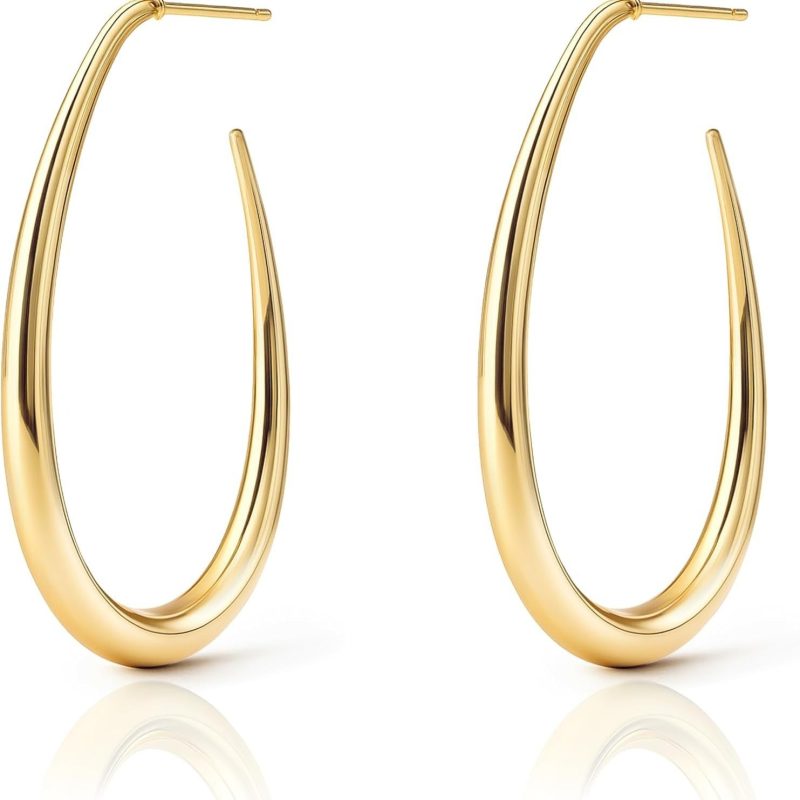
- 14K gold-tone / gold-tone — needs the care above to keep its color.
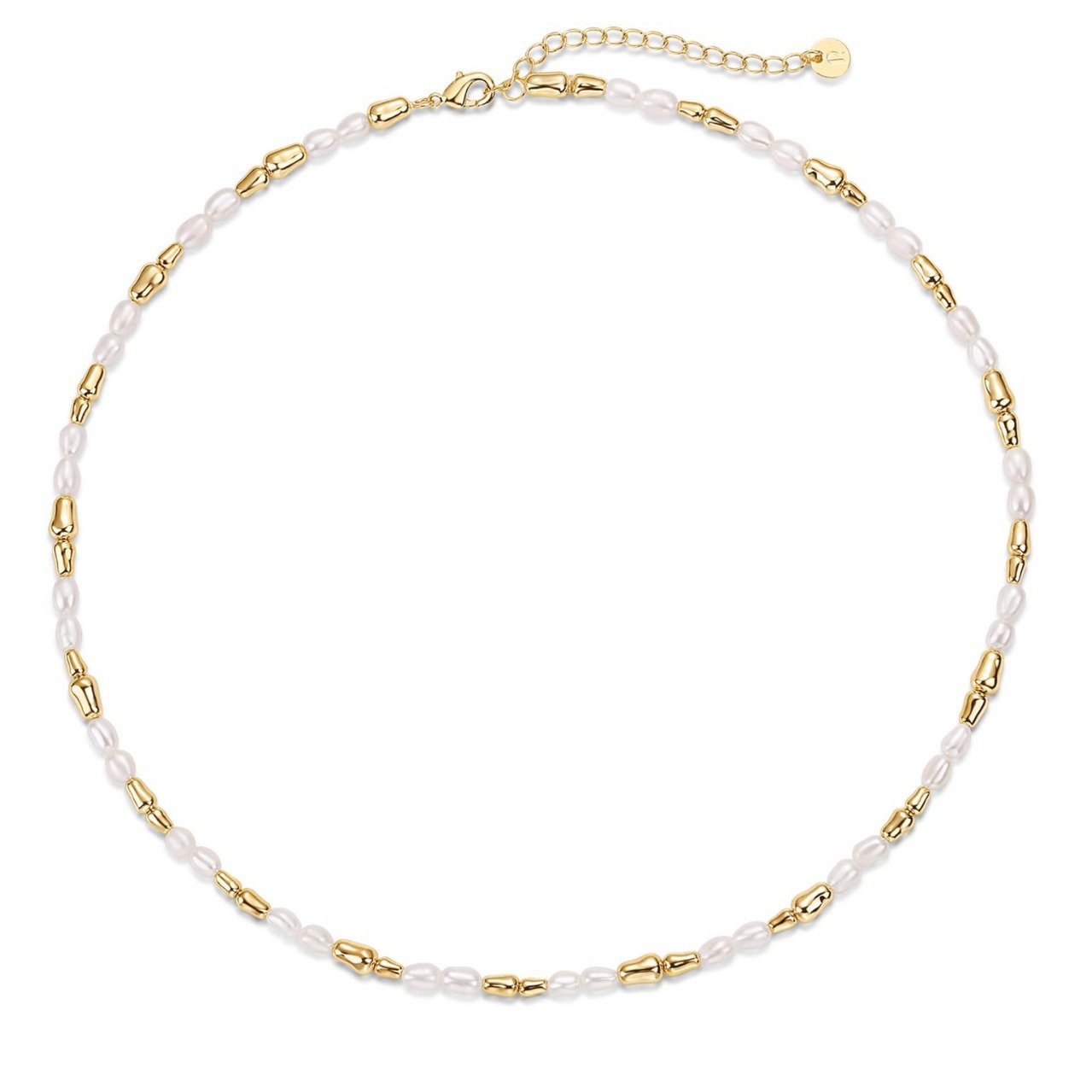
- Freshwater pearl — soft and organic. Keep away from perfume and store in a soft pouch.
- Resin / acrylic — very low maintenance, but avoid high heat, which can warp them.
Try this: a Stainless Steel Cross Pendant Necklace ($7.99) for everyday wear, or a Freshwater Pearl Necklace ($24.45) for occasions.
When to stop wearing a piece
If the plating has worn to the base metal, or a clasp no longer holds, it is time to retire it. A failing clasp on a necklace or bracelet is a real risk — you will lose the piece anyway. Better to replace it than to keep wearing a broken clasp.
Shop with care in mind
Browse our Necklaces, Earrings & Studs, and Bracelets — every piece lists its material, so you know exactly how to care for it. Freight is calculated by total order weight at checkout and always paid by the customer.